(CASTELLANO)
Lo más interesante de este drama judicial es que no juega a ser una pelÃcula cómoda de buenos contra malos. Parte de algo terrible —familias convencidas de que la contaminación del agua ha enfermado y matado a sus hijos—, pero enseguida desplaza el foco hacia una pregunta bastante incómoda: ¿qué ocurre cuando el dolor entra en un despacho de abogados y tiene que traducirse en pruebas, costes, estrategia y dinero? Ahà es donde la pelÃcula gana fuerza. No convierte la justicia en un discurso bonito, sino en un mecanismo caro, frÃo y agotador, donde tener razón no siempre basta y donde las vÃctimas pueden acabar siendo una pieza más dentro de una maquinaria que nadie controla del todo.
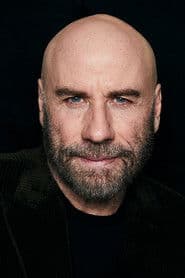
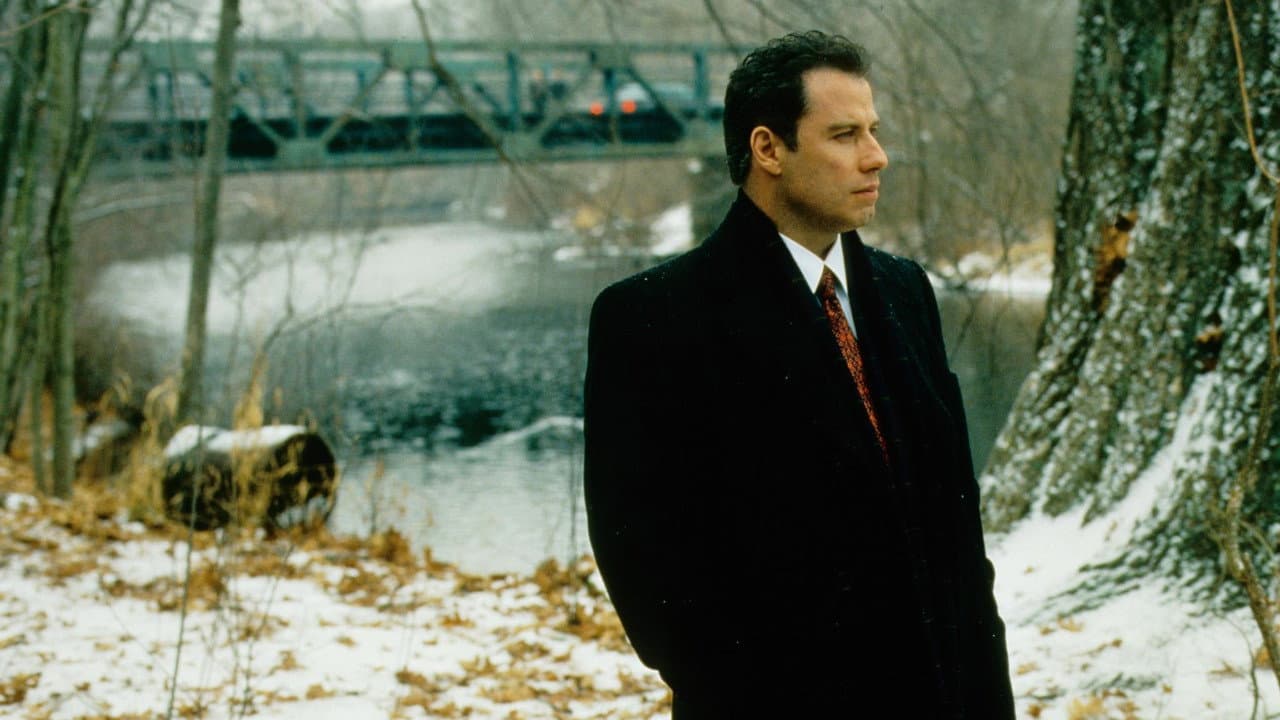
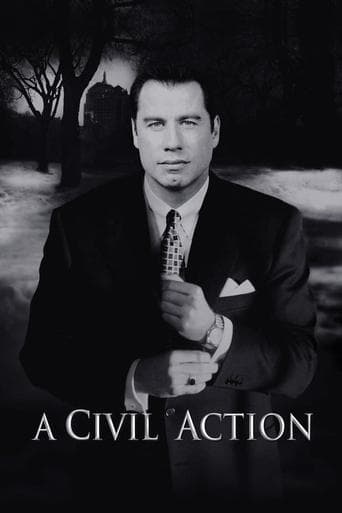
John Travolta funciona bien precisamente porque su personaje no empieza como un santo. Jan Schlichtmann es elegante, seguro de sà mismo, vanidoso y muy consciente del valor económico de cada caso. Al principio parece casi más interesado en calcular posibilidades que en escuchar de verdad a las familias. Y eso hace que su evolución resulte más interesante. No es el abogado puro que se lanza a salvar el mundo desde el minuto uno, sino alguien que va quedando atrapado por un caso que primero cree poder dominar. Poco a poco, lo que parecÃa una oportunidad profesional se convierte en una obsesión, y lo que parecÃa una causa rentable empieza a comérselo todo: el dinero, el despacho, la autoestima y hasta la imagen que tenÃa de sà mismo.
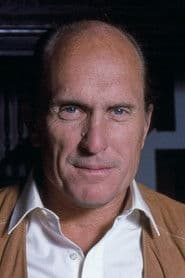
La pelÃcula tiene además un Robert Duvall magnÃfico. Su abogado defensor es seco, astuto, modesto en apariencia y absolutamente peligroso. No necesita levantar la voz ni hacer grandes escenas para imponerse. Basta con verlo moverse por los pasillos, hacer preguntas aparentemente inocentes o esconderse detrás de una lógica profesional impecable para entender que el sistema también favorece a quien sabe desgastarte. Duvall representa muy bien esa parte del derecho que no necesita parecer malvada para ser demoledora. No es un villano de caricatura; es un hombre que conoce las reglas mejor que nadie y sabe que, en un juicio, la verdad puede importar menos que la carga de la prueba, el dinero disponible y la paciencia para esperar.
Steven Zaillian escribe con inteligencia y dirige con sobriedad. A veces quizá demasiada. Se nota que le interesa más el desgaste del proceso que el gran clÃmax de tribunal, y eso tiene algo de honesto porque la vida real rara vez ofrece discursos perfectos, testigos definitivos y justicia limpia en el último minuto. Pero también entiendo que a quien busque un drama judicial más vibrante pueda parecerle algo frÃa. La pelÃcula evita el golpe fácil, pero en ocasiones también evita demasiada emoción. Hay escenas muy buenas, una fotografÃa elegante y sombrÃa de Conrad L. Hall, y una sensación constante de derrota que va entrando poco a poco. Sin embargo, a ratos parece que el material pedÃa una pelÃcula todavÃa más intensa.
Lo que más me gustó es que no simplifica. Las familias tienen razón en su dolor, pero el sistema no se ordena mágicamente alrededor de esa razón. Las empresas no aparecen como monstruos gritando en una sala, sino como estructuras capaces de esperar, negar, dilatar y protegerse. Los abogados de las vÃctimas también tienen intereses, ego y miedo a perderlo todo. Y el propio Schlichtmann, cuanto más se acerca moralmente a la causa, más se hunde profesionalmente. Esa contradicción me parece muy potente: quizá hacerse mejor persona no te salva, quizá incluso te arruina. Pero al menos te obliga a mirar de otra manera aquello que antes solo calculabas.
Al final me queda una pelÃcula respetable, sobria y bastante adulta. No es perfecta: le falta algo de nervio cinematográfico, quizá un clÃmax más memorable y una mayor cercanÃa emocional con las familias que originan el caso. Pero precisamente su sequedad también forma parte de su valor. No vende la justicia como una victoria luminosa, sino como una batalla sucia, carÃsima y muchas veces insatisfactoria. Basada en hechos reales, habla de contaminación, responsabilidad empresarial y daño humano, pero también de algo más triste: de cómo incluso las causas justas pueden perderse entre facturas, tecnicismos y acuerdos insuficientes. Y por eso funciona. Porque no te deja con la euforia de haber visto ganar al bien, sino con la incomodidad de entender cuánto cuesta siquiera intentarlo.
(ENGLISH)
The most interesting thing about this legal drama is that it does not try to be a comfortable good-versus-evil film. It begins with something terrible —families convinced that contaminated water has made their children sick and killed them—, but very quickly shifts the focus toward a rather uncomfortable question: what happens when pain enters a law office and has to be translated into evidence, costs, strategy and money? That is where the film gains strength. It does not turn justice into a beautiful speech, but into an expensive, cold and exhausting mechanism, where being right is not always enough and where victims can end up becoming one more piece inside a machine nobody fully controls.
John Travolta works well precisely because his character does not begin as a saint. Jan Schlichtmann is elegant, self-confident, vain and very aware of the financial value of every case. At first he seems almost more interested in calculating possibilities than in truly listening to the families. And that makes his evolution more interesting. He is not the pure lawyer who throws himself into saving the world from the first minute, but someone who gradually becomes trapped by a case he initially believes he can control. Little by little, what looked like a professional opportunity becomes an obsession, and what seemed like a profitable cause begins to devour everything: the money, the firm, his self-esteem and even the image he had of himself.
The film also has a magnificent Robert Duvall. His defense attorney is dry, cunning, apparently modest and absolutely dangerous. He does not need to raise his voice or deliver big scenes to impose himself. Just watching him move through corridors, ask seemingly innocent questions or hide behind impeccable professional logic is enough to understand that the system also favors whoever knows how to wear you down. Duvall represents very well that part of the law that does not need to look evil in order to be devastating. He is not a cartoon villain; he is a man who knows the rules better than anyone and knows that, in court, truth can matter less than burden of proof, available money and the patience to wait.
Steven Zaillian writes intelligently and directs with sobriety. Perhaps too much sobriety at times. You can feel that he is more interested in the erosion caused by the process than in a grand courtroom climax, and there is something honest about that, because real life rarely offers perfect speeches, definitive witnesses and clean justice in the final minute. But I also understand why anyone looking for a more vibrant legal drama might find it somewhat cold. The film avoids the easy blow, but sometimes it also avoids too much emotion. There are very good scenes, Conrad L. Hall’s elegant and somber cinematography, and a constant sense of defeat that slowly seeps in. Still, at times it feels as if the material was asking for an even more intense film.
What I liked most is that it does not simplify. The families are right in their pain, but the system does not magically organize itself around that truth. The companies do not appear as monsters shouting in a room, but as structures capable of waiting, denying, delaying and protecting themselves. The victims’ lawyers also have interests, ego and fear of losing everything. And Schlichtmann himself, the closer he gets morally to the cause, the more he sinks professionally. That contradiction seems very powerful to me: perhaps becoming a better person does not save you, perhaps it even ruins you. But at least it forces you to look differently at what you used to merely calculate.


In the end, I am left with a respectable, sober and quite adult film. It is not perfect: it lacks a little cinematic nerve, perhaps a more memorable climax and a greater emotional closeness to the families at the origin of the case. But that dryness is also part of its value. It does not sell justice as a luminous victory, but as a dirty, extremely expensive and often unsatisfying battle. Based on real events, it speaks about contamination, corporate responsibility and human damage, but also about something sadder: how even just causes can get lost among bills, technicalities and insufficient settlements. And that is why it works. Because it does not leave you with the euphoria of having seen good triumph, but with the discomfort of understanding how much it costs even to try.