The Piano Lesson
"Blood is a chord that resonates through time."
OverView
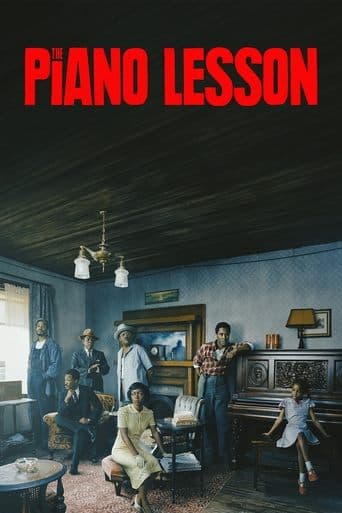
A brother and sister's battle over a prized heirloom piano unleashes haunting truths about how the past is perceived — and who defines a family legacy.
Details
The Piano Lesson Cast






The Piano Lesson Reviews
Brent Marchant
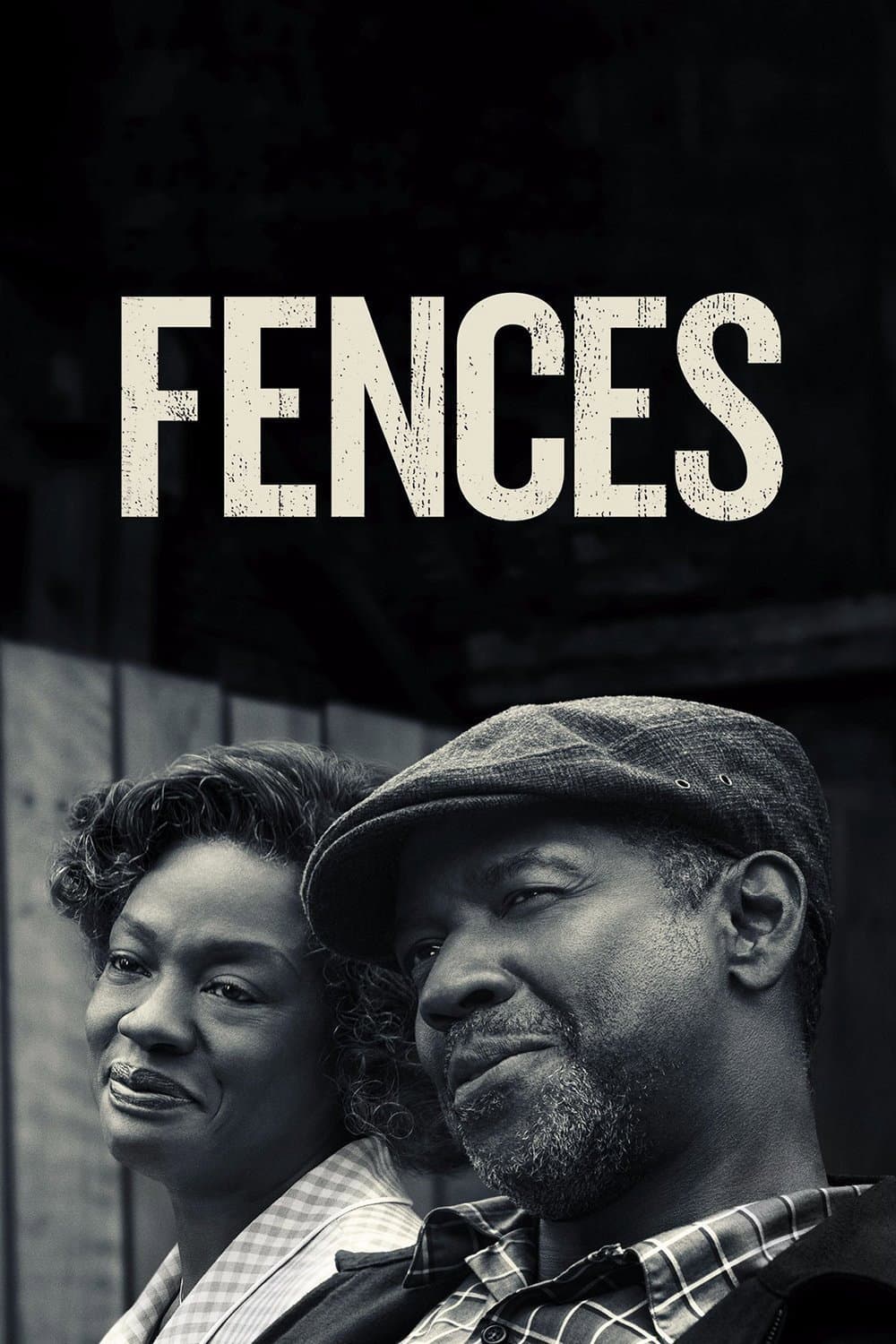
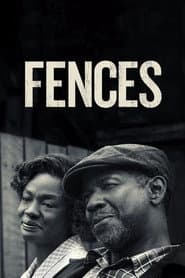
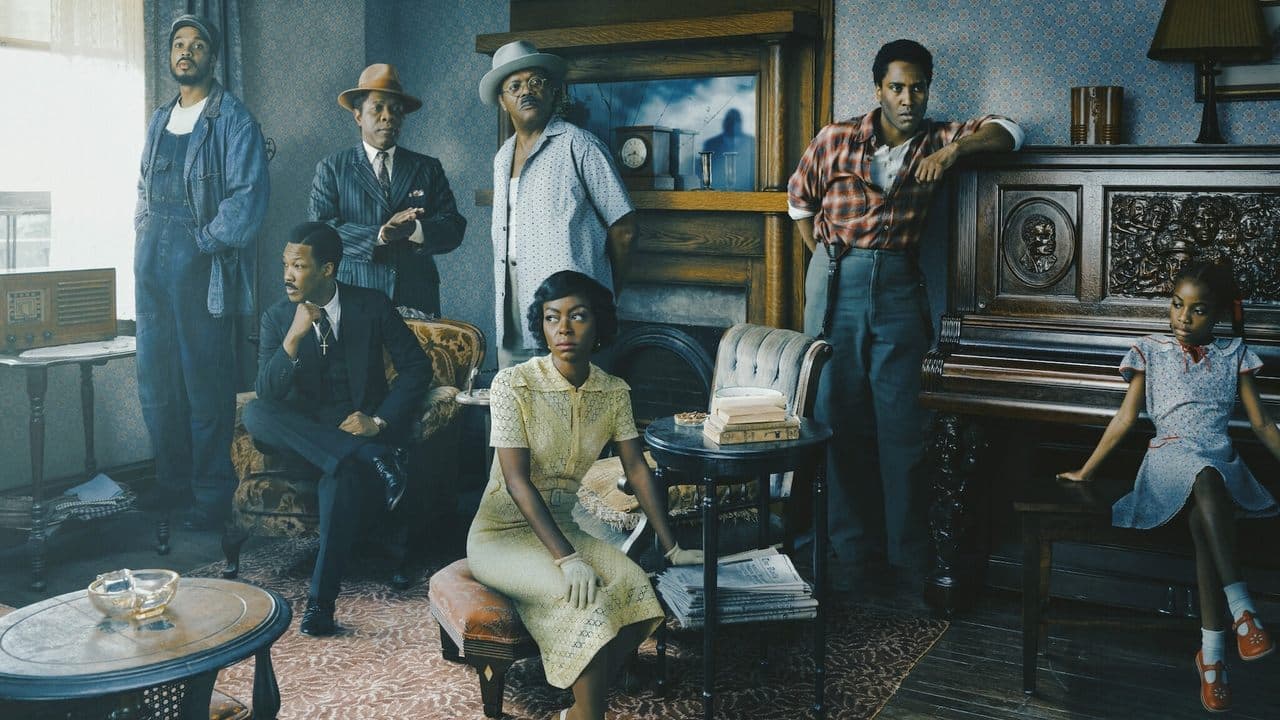
December 3, 2024When a gifted playwright’s work is adapted for the big screen, the transition from one medium to another can be quite challenging to pull off successfully. And, if the adaptation gets it wrong, it fails to do justice to the source material, an outcome that often unfairly reinforces the blanket denigration often accorded to film as an “inferior” artform compared to others (like literature or the stage). Such is the case, unfortunately, with this latest adaptation of work drawn from the writings of August Wilson, a stage-to-screen cross-over comes up short compared to previous conversions of his material (like “Fences” (2016), which succeeded brilliantly). This tale of two siblings (John David Washington, Danielle Deadwyler) who match wits over the fate of a family heirloom – a piano with a hand-carved façade featuring images of their slave era ancestors – depicts their heated discussions over its ultimate dispensation, one option aimed at selling it and the other bent on retaining it as a treasured piece of family history. As this scenario plays out, however, complications emerge when the ghosts of their deceased relatives and other spirits make their surreal presence known in steering the quarrelsome brother and sister to settle the matter. It’s an intriguing premise, one that speaks volumes about dealing with the ghosts of one’s past, what they endured in their lives and how the impact of their experiences has been passed down to their descendants. But many of the film’s scenes fall prey to one of the key pitfalls that often undermine theatrical adaptations – a series of overlong, stagey, tediously talky conversations that may work on Broadway but that try the patience of viewers on screen. What’s more, many sequences launch into seemingly unrelated exchanges whose connections to the primary narrative often seem tangential at best, segments that are further undermined by loquacious and not particularly interesting dialogues. And, as for the fantasy sequences, their excessively disparate nature is wholly incongruous with the remainder of the film, looking more like they belong in a movie like “Carrie” (1976) than an August Wilson production. While writer-director Malcolm Washington’s debut feature definitely has its strong suits, such as its fine ensemble of performances, inventive cinematography and meticulous period piece production design, it lacks the integral components needed to make this a compelling and engaging watch. To be sure, August Wilson deserves better than what’s materialized here, a film that’s largely forgettable and a pale shadow of his other cinematic adaptations.
Movie Recommendations
Especially Recommended For You