Retirement - Replicants - Resplendent.
Blade Runner is one of those glorious films that has gained in popularity the older it has gotten. Ridley Scott's follow up to the critical and commercial darling that was Alien, was by and large considered a flop and damned for not being a science fiction action blockbuster. There was of course some fans who recognised its many many strengths during the initial weeks of its 1982 release, but many who now claim to have loved it back then are surely looking sheepishly in the mirror these days, for the hard-core minority of 82 fans remember it very differently.
Remember the spider that lived outside your window? Orange body, green legs. Watched her build a web all summer, then one day there's a big egg in it. The egg hatched...
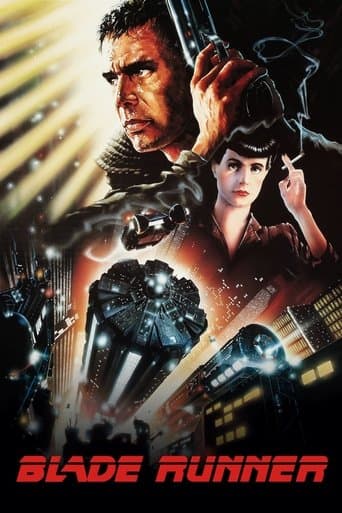
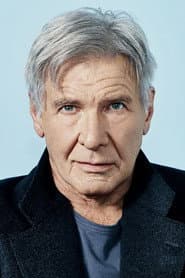
Anyway, that's by the by, the point being that a film can sometimes be ahead of its time, misunderstood or miss-marketed, Scott's masterpiece is one such case. Story, adapted in fashion from Philip K. Dick's story, Do Androids Dream of Electric Sheep? Is pretty simple. It's a dystopian Los Angeles, 2019, and there are four genetically engineered Replicants - human in appearance - in the city, which is illegal. They were designed to work on off-world colonies, any Replicant who defies the rules will be retired by special police assassins known as Blade Runners, and Blade Runner Rick Deckard (Harrison Ford) is on this case. A case that will prove to have many layers...
A new life awaits you in the Off-world colonies! A chance to begin again in a golden land of opportunity and adventure!
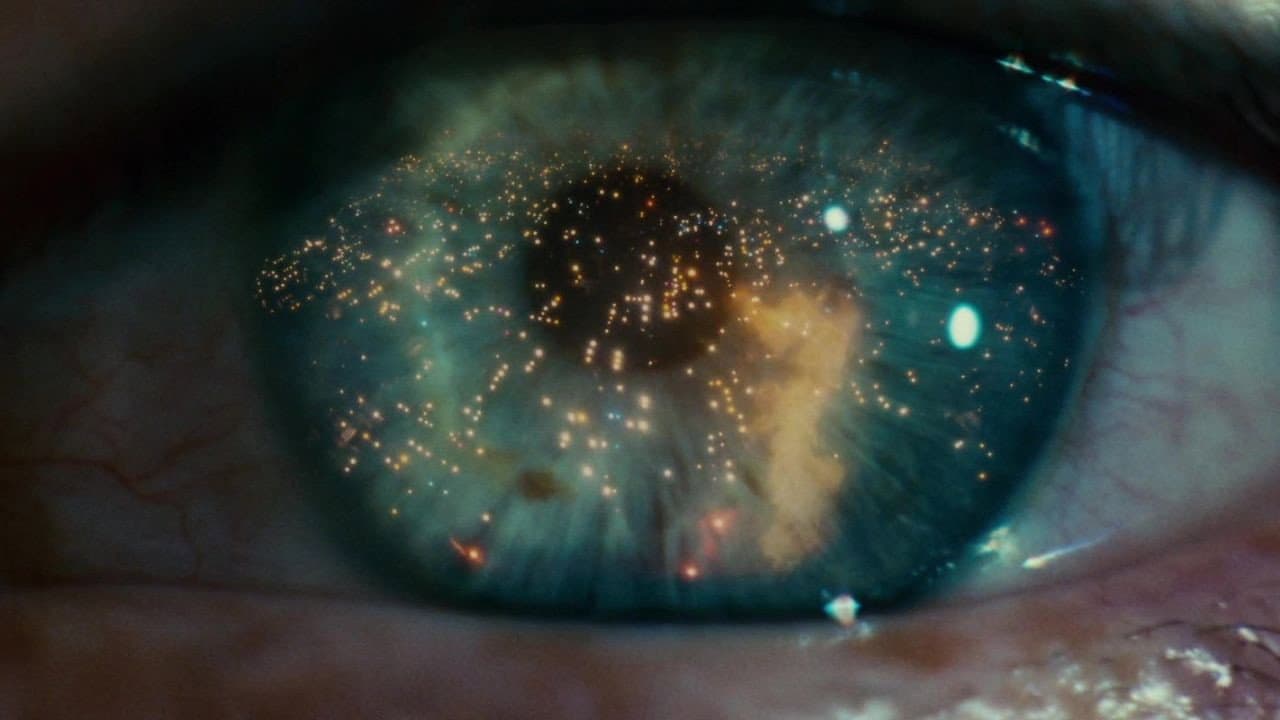
Ridley Scott gets to have all his cakes to eat here, managing to blend intriguing science fiction with film noir. That the visuals are outstanding is a given, even the film's most hardest critics grudgingly acknowledge this to be an eye popping piece of visual class - the mention of eyes is on purpose since it's forms a key narrative thread. That it is awash with eye orgasms has led to critics calling a charge of beauty over substance, but the deep themes at work here tickle the brain and gnaw away at the senses.
Quite an experience to live in fear, isn't it? That's what it is to be a slave.
Mood is set at perpetually bleak, a classic film noir trait, and paced accordingly. Scott isn't here to perk anyone up, he's here to ask questions whilst filtering his main characters through a prism of techno decay, of humanity questioned to the max, for a film so stunning in visuals, it's surprisingly nightmarish at its core. The emotional spine is ever present, troubled when violence shows its hand, but it's there posing an intriguing question as the Replicants kill because they want to live. And this as our antagonist, Deckard (Ford a brilliantly miserable Marlowe clone), starts to fall for Rachael (a sensually effective femme fatale portrayal), one of his retirement targets.
Tears in the Rain.
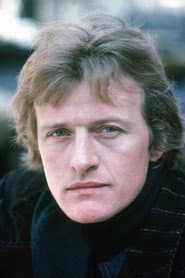
As Rutger Hauer (never better) saunters more prominently into the story as head Replicant Roy Batty, the pic evolves still more. Haunting lyricism starts pulsing away in conjunction with Vangelis' rib shaking techno score, while Jordan Cronenweth's cinematography brings Scott's masterful visions to life, key characters one and all. Visuals, aural splendour and dark thematics - so just what does it mean to be human? - Indeed, curl as one in a magnificent cinematic achievement. A number of cuts of the film are out there, and all of them have fans, but Scott's Final Cut is the one where he had total artistic control, and the scrub up job across the board is quite literally breath taking. 10/10
tmdb40011370
November 24, 2019I have only viewed the Final Cut, and judging by reviews elsewhere this is possibly the most complete and satisfying version of them all.
I cannot truthfully say I am in awe with this film as I found it quite plodding at times. But having said that the visionary aspects, the bleak surrounds, and the air of hopelessness that permeates throughout most of the film is exceptionally well done.
I would hazard a guess it wasn't a big success at the box office back in 82/83 chiefly because of the likes of ET, and Raiders of the Lost Ark, Return of the Jedi and quite a few other adventure/SF films of the time pushing this film into a dark corner. Another reason could be because it was too slow for those brought up on Star Wars; or just too unengaging for those looking at it from a murder-mystery perspective (I recall reading that the original version had Ford do a Marlowesque voice over).
An impressive film for all that, with some delightful special effects, and a decent performance from Ford. But of course for me the true delight was Roy's "Time to Die" speech at the end. If there was an Oscar for best speech in a film, he would have won it with ease!
This time, it is Ridley Scott's turn to offer us his prognostication of a future wherein corporate America has, ostensibly benignly, introduced the ultimate in labour saving devices - androids called "replicants" - which have a look and feel of people about them. These "Nexus" creations can turn their hands to just about anything, but when the latest off-world models rebel, all of their cousins become outlawed and it falls to the "Blade Runners" to track them down and destroy them. "Deckard" (Harrison Ford) is one such operator who is called back out of his retirement to identify four of these highly adaptable and intelligent robots and this perilous task takes him to the heart of their manufacturer run by the fiendishly clever but unscrupulous "Tyrell" (Joe Turkel), and into a web of duplicity surrounding their controlling protocols and maybe even a fifth, almost impossible to recognise "replicant", whom - unlike it's contemporaries - has no idea that it isn't human. Ford is on cracking form here, as is Rutger Hauer - the android leader "Batty" and the dark, frequently rainy imagery contributes wonderfully to this seedily presented story of greed and manipulation set amongst a grittily dank and hostile environment that offers little, visually anyway, by way of hope or relief. It has a film-noir look and feel to it, and Scott keeps it moving well, keeps the dialogue sparse - though impactful, and the whole thing develops cinematographically some of the pretty profound questions brought up in the original Philip Dick novel about just what constitutes humanity. Just shy of two hours - it flies by, especially on a big screen where the visuals and audio still work wonders.