Vinicius Monteiro
July 16, 2026There’s a very thin line between career-driving ambition and self-destructive obsession. Rewatching this movie recently, the flawless designer clothes couldn't hide the harsh reality of corporate bullying that the story exposes—and kind of forgives. It’s a bittersweet experience to revisit this film when you actually understand the weight of the modern job market. It forces us to ask how much of ourselves we’re willing to sacrifice to make it to the top.
Adapting a book that felt like a personal revenge fantasy isn’t easy, and while the script delivers sharp dialogue and brilliant moments between the leads, it has its flaws. The supporting cast—specifically the boyfriend and friends—are incredibly hypocritical, yet the movie never calls them out on it. Instead of sticking to its corporate cynicism, it softens the blow for a mainstream audience, leading to a confusing message that excuses toxic workplace behavior for a rushed redemption.
David Frankel’s direction is a bit uneven. He perfectly captures the cold, predatory vibe of the fashion world and New York City, but the film drags in the middle. Instead of building psychological tension between boss and assistant, he relies too much on musical montages and repetitive office suffering, making the second act feel sluggish before the welcome scenery change to Paris.
Underneath the expensive packaging and the supposed critique of the corporate world, the movie blindly follows the standard rom-com playbook: the "ugly duckling" makeover, getting seduced by glamour, losing touch with your roots, and needing a dramatic wake-up call. The climax takes the safest route possible. By throwing the protagonist back into a toxic, controlling relationship instead of letting her be truly independent, the satire loses its bite.
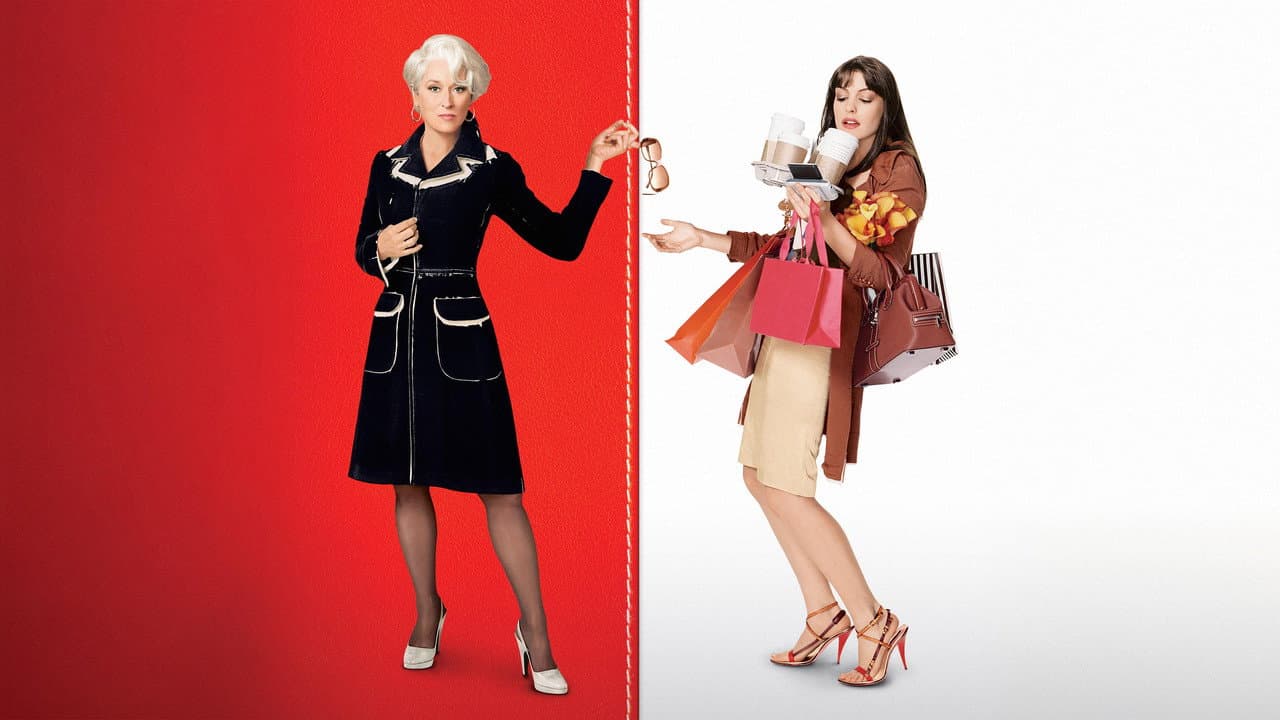
The performances, however, are what keep it afloat. Meryl Streep brings incredible complexity, creating a terrifying boss not through screaming, but through chilling silence and micro-expressions. She turns what could have been a one-dimensional caricature into a magnetic, threatening human being. Anne Hathaway is solid in her transformation from a sloppy intern to a ruthless professional, but the problem lies in her character’s foundation. Andy is unbearably arrogant for most of the film, treating a prestigious job with a teenage disdain that makes her hard to root for. When she finally adapts, it feels cynical, as she abandons her moral compass almost instantly.
The supporting cast is a mixed bag. Emily Blunt steals the show as the neurotic, exhausted first assistant, delivering venomous lines with perfect comedic timing, even if the script ultimately reduces her to a cautionary tale. Stanley Tucci shines as the movie’s moral compass, bringing a perfect mix of sarcasm and tenderness, though his character is unfairly tossed aside at the end. On the flip side, Simon Baker’s love interest is painfully dull—a lazy plot device with zero chemistry.
Visually, the costume design is a narrative tool in itself, perfectly translating Andy’s assimilation into this world. But this aesthetic perfection is a double-edged sword: the camera fetishizes the glamour so much that it overshadows the film’s critique. It creates the dangerous illusion that daily humiliation is a fair price to pay for a pair of Chanel boots. The movie's smartest moment is undoubtedly the famous "cerulean sweater" speech, a rare, brilliant scene that exposes the invisible gears of mass consumption. It’s just a shame the rest of the film doesn't match this level of maturity.
The core premise is also incredibly naive. The idea that surviving a year of fetching coffee at a fashion magazine would magically open doors for hardcore investigative journalism is ridiculous and hurts the story's credibility. Worse, the film dangerously dances between exposing and glorifying burnout. By humanizing the abusive boss without any real consequences, it suggests that workplace harassment is just a necessary rite of passage.
Even the famous climax in Paris—throwing the phone in the fountain—feels more like an irresponsible temper tantrum than a mature career move. Returning to a boyfriend who actively sabotaged her growth feels like a massive step backward. In the end, revisiting this world is both fascinating and frustrating. It’s a movie carried by Streep’s brilliant performance and stunning visuals, but it ultimately pulls its punches. Still, it’s worth a rewatch through an adult lens, serving as a great conversation starter about what success really means in today's toxic corporate culture.