Vinicius Monteiro
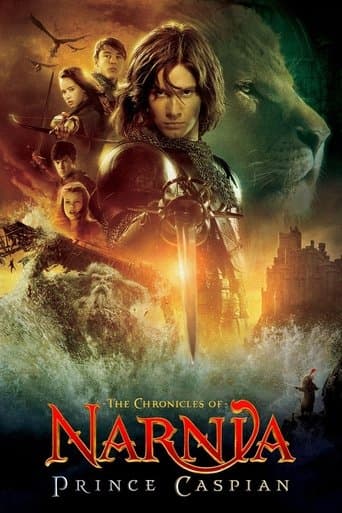
June 29, 2026Revisiting fond memories only to find the scenery hopelessly changed comes with an unavoidable heaviness. When I sat down in front of the screen for this second chapter, my expectations were tied to that pure sense of childhood wonder. What I found instead was a raw attempt at forced maturity. The franchise tries to grow up at all costs right alongside its audience, ending up trading its charm for dust, sweat, and metal. Following this sudden transition means looking carefully at what we've gained in terms of massive battles, and what we inevitably lost along the way.
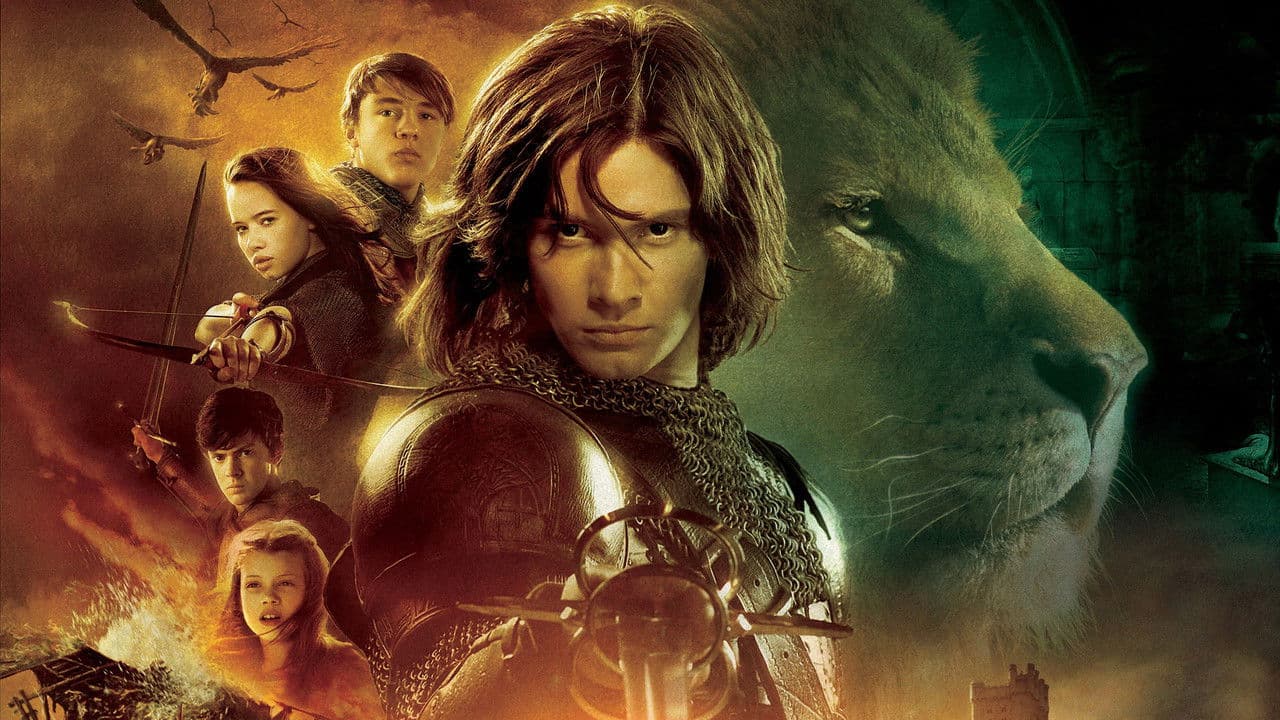
The atmosphere and cinematography have drastically changed. Seeing Narnia devastated and the creatures oppressed brings a genuine urgency and a visibly more adult vibe. I felt like the dangers became real. The direction ditched the vibrant colors for a visual aesthetic of earthy, desaturated filters. It feels heavy on screen. The innocent charm of the first movie is completely gone. I ended up looking at a dark and almost monotonous setting, purely focused on war politics. The darker tone works for anyone looking for real tension in the action sequences, but it steals a big chunk of that classic magical wonder.
The narrative structure tried to give the High King some complexity, but missed the mark. Peter's journey is an absolute test of patience. It’s easy to understand the frustration of a grown king forced back into the body and routine of a teenager in England. But his stubborn decisions and blind arrogance cost innocent lives. He acts like a spoiled brat, causing unnecessary friction in the camp and dragging down the pace of the story. It gets really hard to root for a hero who refuses to listen to reason just out of pure wounded pride.
Ben Barnes has the exact physical presence the title demands. The problem is that his acting lacks any spark of leadership. Prince Caspian sounds passive the whole time, fatally overshadowed by the British cast. His fake accent is also distracting during a lot of dialogue scenes. To make the cast dynamic even worse, the script forces a romance between him and Susan that borders on cringe-worthy. There’s zero chemistry in this subplot. It doesn't add any depth to the story and shifts the focus away from the urgency of the war, feeling like a corporate studio mandate just to hook a teen audience.
If the main human cast stumbles, the special effects and supporting characters save the experience. The creature design is flawless, and the realism of the talking animals is impressive. But the heart of this sequel belongs to Reepicheep. The swashbuckling mouse steals every single second he's on screen. That unshakable honor mixed with a bravery way too big for his size works brilliantly. He delivers just the right amount of humor and cuts the tension without ruining the military vibe. The sound design really shines here too. The quick clinking of his tiny sword against heavy enemy armor creates a fantastic soundscape right in the middle of the chaotic battles.
Every good story about a clash needs a threat to match. The movie tried to sell the Telmarines as ruthless conquerors, but the villains are shallow and cartoonish. King Miraz starts off commanding some respect, but soon reveals himself to be driven by the laziest power-hungry cliches. The script lacked the effort to dive deeper into the politics and culture of the invaders, which would have given the genocide some real weight. They wear generic-looking armor and carry cartoonish accents that make them look like extras from any random medieval epic. They are cardboard bad guys in a world that begged for much heavier conflicts.
The story's structure takes a fatal hit with Aslan’s prolonged absence. The movie insists on focusing on the agonizing wait for his intervention, which completely strips the agency away from the main characters. The pacing drags as the characters sit around campfires arguing about a lack of faith. When the lion finally shows up, we get the worst kind of "Deus ex machina" ending. After hours of bloodshed, painful sacrifices, and hard-fought war tactics, the entity just solves the entire war with the snap of his fingers. It’s totally anticlimactic. This instant magic completely undermines the two hours of wartime suffering we were forced to sit through.
"Prince Caspian" suffers from a severe identity crisis, lost between the fantasy that made it famous and the brutality of a commercial war movie. It’s a long, divisive piece of work that nails the expansive visuals, but stumbles hard on lazy plot resolutions and character development. Cinema, however, is a uniquely personal experience. I invite you to watch the film and draw your own conclusions. Maybe you'll find some epic greatness in all that Telmarine dust, or maybe you'll just miss a Narnia that used to enchant us with a whole lot less effort.