The Last Supper
"All are welcome at the table."
OverView
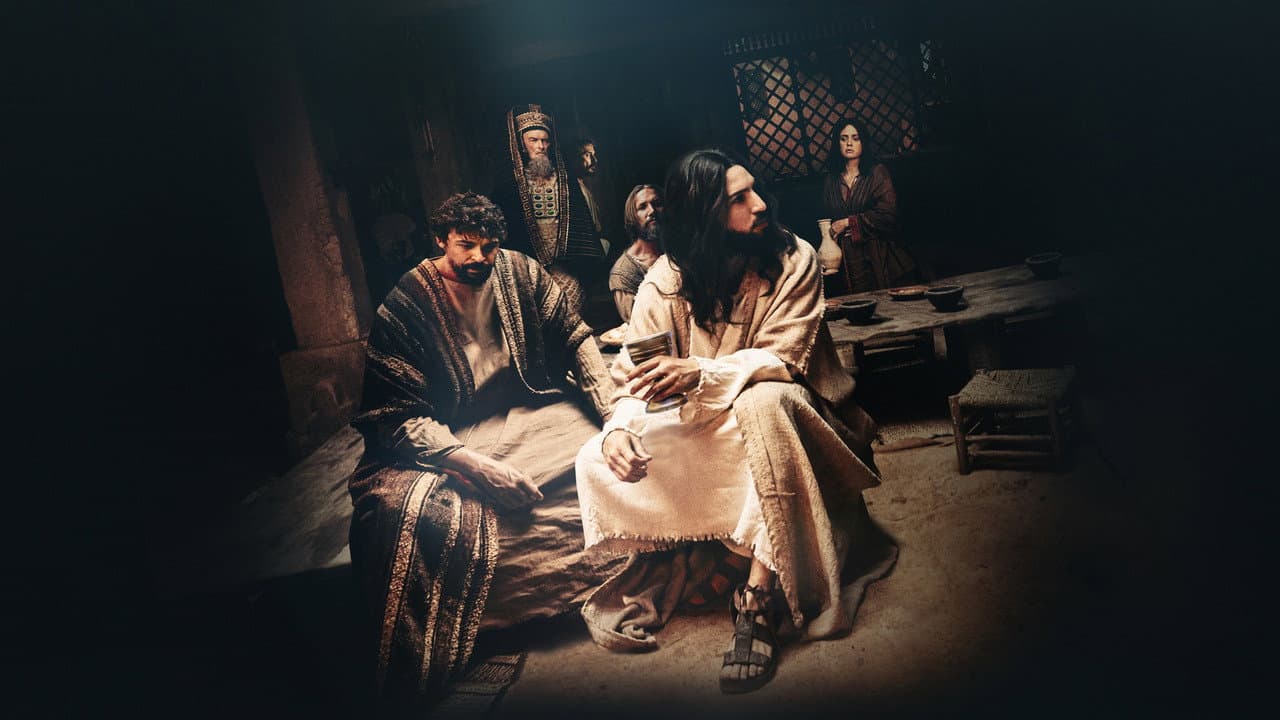
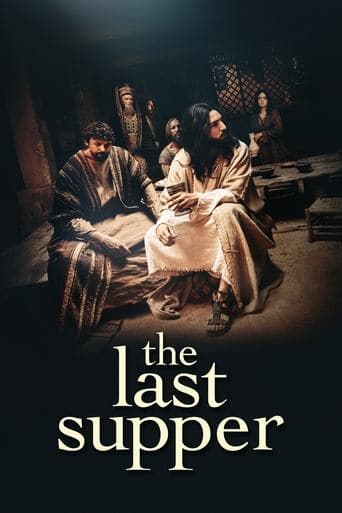
In the days leading to betrayal, a gathering of disciples unravels into a web of secrets and hidden motives. As tensions simmer beneath the surface, trust is tested, and loyalty is questioned. The Last Supper becomes a night where nothing is as it seems, and every glance hides a deeper truth.
The Last Supper Cast








The Last Supper Reviews
JPRetana
June 4, 2026If The Last Supper (2025) were gospel, Holy Week would be much shorter. This film believes the events leading up to the Passion of Jesus would benefit from an even more compressed timeline; thus, it condenses the entry into Jerusalem, the cleansing of the Temple, and the Last Supper into what appears to be the course of a single day and night. Things begin to happen in quick succession during and after the Supper; accordingly, the movie’s pacing aligns more closely with the biblical narrative. Nonetheless, the screenplay takes a few liberties with certain characters — specifically Peter (James Oliver Wheatley), Judas (Robert Knepper), and Pontius Pilate (Sir Not-Appearing-in-this-Film). Peter is portrayed as borderline paranoid. When Jesus (Jamie Ward) sends him and John ahead of time to the venue where the Supper will take place, Peter cases the joint for a back exit, and sets up a ladder outside just in case Jesus needs to make a quick getaway. Since it’s well known that the Last Supper proceeded as planned without interruptions, Peter’s precautions will unsurprisingly come to nothing. If Peter is paranoid, Judas is schizophrenic. Both Mark and Matthew agree that Judas initiated negotiations with the high priests. Unlike the more ambiguous Mark, Matthew depicts Judas as explicitly expecting to be paid for betraying Jesus. Meanwhile, Luke and John present Judas as a victim of demonic possession. A common modern interpretation is that Judas betrayed Jesus out of frustration with the latter’s failure to lead a violent revolution against the Roman Empire. The Last Supper covers all those bases and adds a twist of its own by having Caiaphas (James Faulkner) approach Judas rather than the other way around. I know human beings are complicated and their actions can’t always be assigned a single motivation; however, earthly (greed) and political (revolution) concerns do not mesh well with a supernatural stimulus (the Devil made me do it). The film excises Pontius Pilate from the narrative, yet he’s not altogether absent: when Caiaphas is introduced, he’s washing his hands — Pilate’s most recognizable attribute. Whether by design or accident, removing the regional representative of Roman rule, while at the same time obliquely conflating him with the High Priest of Israel, and then having Caiaphas instigate Judas, has the unfortunate consequence of perpetuating the antisemitic trope of Jewish deicide. That’s a bitter cup to drink from.
Movie Recommendations
Especially Recommended For You