Marco-Hugo Landeta Vacas
September 10, 2026(CASTELLANO)
Hay pelĂculas que a los diez minutos ya te han enseñado exactamente quĂ© quieren ser, y esta es una de ellas. Un mono de juguete inquietante, una cadena de muertes absurdas y grotescas, humor negro, sangre a chorros y la sensaciĂłn constante de que la muerte puede aparecer de la forma más ridĂcula posible. La idea funciona. De hecho, durante bastante rato me lo pasĂ© bien. Osgood Perkins toma el relato de Stephen King y lo lleva hacia un terreno mucho más gamberro que terrorĂfico, casi como si Destino final hubiera decidido reĂrse de sĂ misma. Hay algo liberador en esa falta de solemnidad: aquĂ la muerte llega, hace una barbaridad y continĂşa. El problema es que una buena ocurrencia no siempre aguanta una pelĂcula entera.
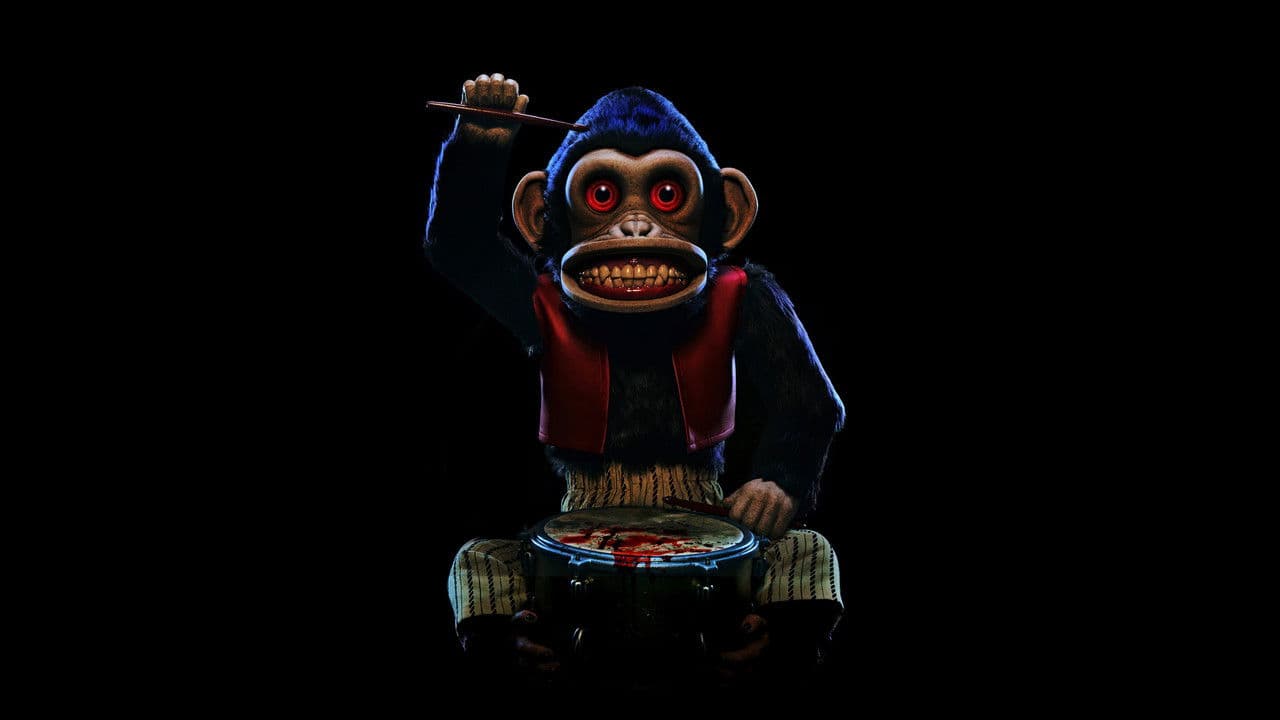
El mono, eso sĂ, funciona de maravilla como presencia. Tiene algo profundamente desagradable incluso cuando no está haciendo nada. No necesita moverse demasiado ni enseñar grandes trucos: basta con verlo ahĂ, esperando, con esa expresiĂłn inmĂłvil, para que la escena ya tenga mal rollo. Perkins entiende muy bien ese poder visual y juega con Ă©l, igual que juega con los encuadres, los cortes bruscos y la anticipaciĂłn de unas muertes que casi nunca ocurren como uno espera. Algunas son tan exageradas que dejan de dar miedo y entran directamente en lo cĂłmico. Y ahĂ está buena parte de la gracia: no pretende que suframos por cada cadáver, sino que nos preguntemos hasta dĂłnde va a llevar la siguiente barbaridad. Hay momentos en los que esa mezcla funciona estupendamente y uno se rĂe casi con mala conciencia.
Por eso la comparaciĂłn con Destino final me parece inevitable. No porque las historias sean iguales, sino por esa lĂłgica de fatalidad en la que sabes que algo horrible va a ocurrir y el verdadero juego consiste en descubrir cĂłmo. Hay muertes ingeniosas, otras directamente delirantes y alguna que me hizo reĂr precisamente por lo excesiva que resulta. Esa mezcla de gore y comedia negra es, con diferencia, lo mejor de la pelĂcula. Theo James además sostiene bien el doble papel y encuentra un tono suficientemente serio como para que alrededor pueda desatarse semejante locura sin que todo se convierta en una parodia completa. Me gusta tambiĂ©n que Perkins no intente repetir el terror de Longlegs: aquĂ parece querer divertirse, ensuciarlo todo y convertir la muerte en un gag.
Pero llega un momento en que la fĂłrmula empieza a enseñarse demasiado. Mono, amenaza, muerte extravagante, reacciĂłn, siguiente. Cambia el decorado, cambia la vĂctima, cambia el mecanismo, pero la sensaciĂłn empieza a ser la misma. Y ahĂ fue cuando yo empecĂ© a desconectar. Lo que al principio me sorprendĂa terminĂł convirtiĂ©ndose en una espera: vale, ÂżcĂłmo van a cargarse ahora al siguiente? El problema no es que la pelĂcula sea excesiva; precisamente esa desmesura forma parte de su personalidad. El problema es que acaba siendo repetitiva. Cuando el impacto depende de sorprenderte, repetir el mecanismo demasiadas veces termina reduciendo el efecto. Al principio esperaba la siguiente muerte con curiosidad; hacia el final esperaba que llegara simplemente para acercarme un poco más a los crĂ©ditos.
TambiĂ©n intentan construir debajo de todo ese festival sangriento una historia sobre hermanos, padres, hijos, culpa y la inevitabilidad de la muerte. Está bien que exista porque evita que la pelĂcula sea Ăşnicamente una sucesiĂłn de accidentes macabros, y entiendo la idea de fondo: la muerte es absurda, inevitable y no negocia con nadie. Pero esa parte emocional nunca llegĂł a interesarme tanto como parecĂa esperar de mĂ. Cada vez que la pelĂcula vuelve al mono y al humor negro recupera vida; cuando quiere que me preocupe mucho por los conflictos personales, baja varios enteros. No porque estĂ©n mal interpretados, sino porque la parte humana no tiene la misma fuerza ni la misma originalidad que la macabra. El desequilibrio termina pesando.
Al final me quedĂł una sensaciĂłn bastante clara: está bien, pero ya. Tiene personalidad, tiene imágenes estupendas, el mono acojona bastante y algunas muertes son tan imaginativas como ridĂculas. Entiendo perfectamente que haya quien disfrute muchĂsimo con este tipo de comedia gore y la convierta en una fiesta; de hecho, yo tambiĂ©n disfrutĂ© durante una parte importante. Pero despuĂ©s empezĂł a parecerme que estaba viendo variaciones del mismo chiste y terminĂ© deseando que acabara. Perkins demuestra que sabe filmar el absurdo, la violencia y el mal rollo, y hay talento visual detrás de toda esa carnicerĂa. Pero esta vez la broma se alarga más de lo que a mĂ me funciona. Divertida por momentos, desagradable cuando quiere y con un juguete que preferirĂa no encontrarme nunca en casa. Pero, una vez terminado el espectáculo, tampoco me dejĂł mucho más.
(ENGLISH)
Some films show you exactly what they want to be within ten minutes, and this is one of them. A creepy toy monkey, a chain of absurd and grotesque deaths, black humor, gallons of blood and the constant feeling that death can arrive in the most ridiculous way possible. The idea works. In fact, I had a good time for quite a while. Osgood Perkins takes Stephen King's story and pushes it into territory that is far more mischievous than frightening, almost as if Final Destination had decided to laugh at itself. There is something liberating about that lack of solemnity: here death arrives, does something outrageous and moves on. The problem is that a good idea does not always sustain an entire film.
The monkey itself, though, works wonderfully as a presence. There is something deeply unpleasant about it even when it is doing nothing. It does not need to move much or perform elaborate tricks: just seeing it there, waiting with that frozen expression, is enough to make a scene feel wrong. Perkins understands that visual power very well and plays with it, just as he plays with framing, sudden cuts and the anticipation of deaths that almost never happen the way you expect. Some are so exaggerated that they stop being frightening and become outright comic. That is a large part of the fun: the film does not want us to mourn every corpse, but to wonder how far the next atrocity will go. At times that mixture works brilliantly and you almost laugh with a guilty conscience.
That is why the comparison with Final Destination feels unavoidable to me. Not because the stories are the same, but because of that logic of fatality in which you know something horrible is going to happen and the real game is discovering how. Some deaths are clever, others completely deranged, and a few made me laugh precisely because of how excessive they are. That mixture of gore and black comedy is, by far, the best part of the film. Theo James also handles the dual role well and finds a tone serious enough to let all that madness explode around him without turning everything into a complete parody. I also like that Perkins does not try to repeat the horror of Longlegs: here he seems more interested in having fun, making a mess and turning death into a gag.
But eventually the formula starts showing itself too clearly. Monkey, threat, extravagant death, reaction, next. The setting changes, the victim changes, the mechanism changes, but the feeling starts becoming the same. That is where I began to disconnect. What initially surprised me eventually became a waiting game: fine, so how are they going to kill the next one? The problem is not that the film is excessive; that excess is part of its personality. The problem is that it becomes repetitive. When the impact depends on surprising you, repeating the mechanism too many times gradually weakens the effect. At first I waited for the next death with curiosity; near the end I was waiting for it simply because it brought me a little closer to the credits.
Underneath all that bloody spectacle, the film also tries to build a story about brothers, fathers, sons, guilt and the inevitability of death. It is good that this exists, because it keeps the film from becoming nothing more than a succession of macabre accidents, and I understand the underlying idea: death is absurd, inevitable and negotiates with no one. But that emotional side never interested me as much as the film seemed to expect it to. Every time it returns to the monkey and the black humor, it comes alive again; when it wants me to care deeply about the personal conflicts, it drops several levels. Not because the performances are bad, but because the human side lacks the same force and originality as the macabre one. That imbalance eventually weighs on the film.
In the end, my feeling was pretty clear: it is fine, but that is about it. It has personality, some excellent images, the monkey is genuinely creepy and several deaths are as imaginative as they are ridiculous. I completely understand why some people have a great time with this kind of gore comedy and turn it into a party; in fact, I enjoyed a substantial part of it too. But eventually it started to feel like I was watching variations on the same joke, and I ended up wanting it to finish. Perkins shows that he knows how to film absurdity, violence and unease, and there is visual talent behind all that carnage. But this time the joke lasts longer than it works for me. Fun at times, nasty when it wants to be, and featuring a toy I would never want to find in my house. Once the show was over, though, it did not leave me with much else.